
Changing the fuel line
28 de noviembre de 2017
This post should be one of the first on the blog. The thing is, if you buy a van (and especially if it’s petrol-powered), the first thing I’d advise you to do is replace the fuel line.
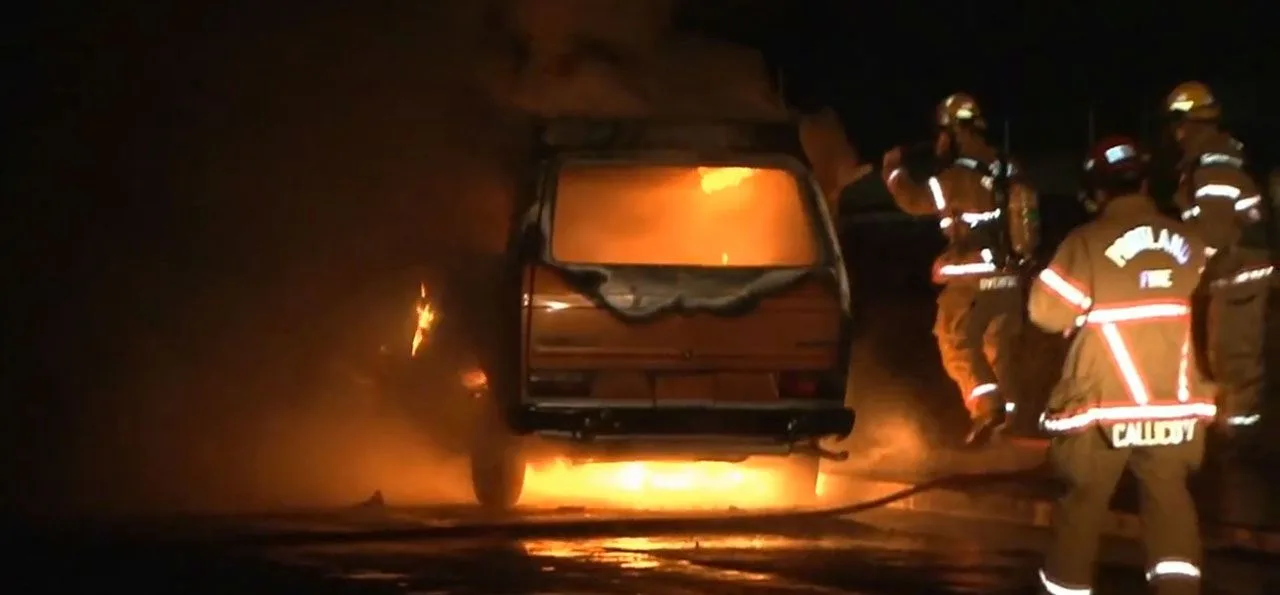
Lately, I’ve also been seeing loads of photos like these on social media:
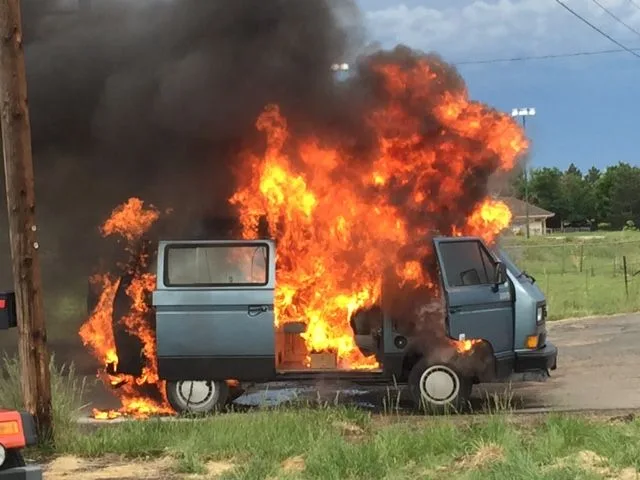
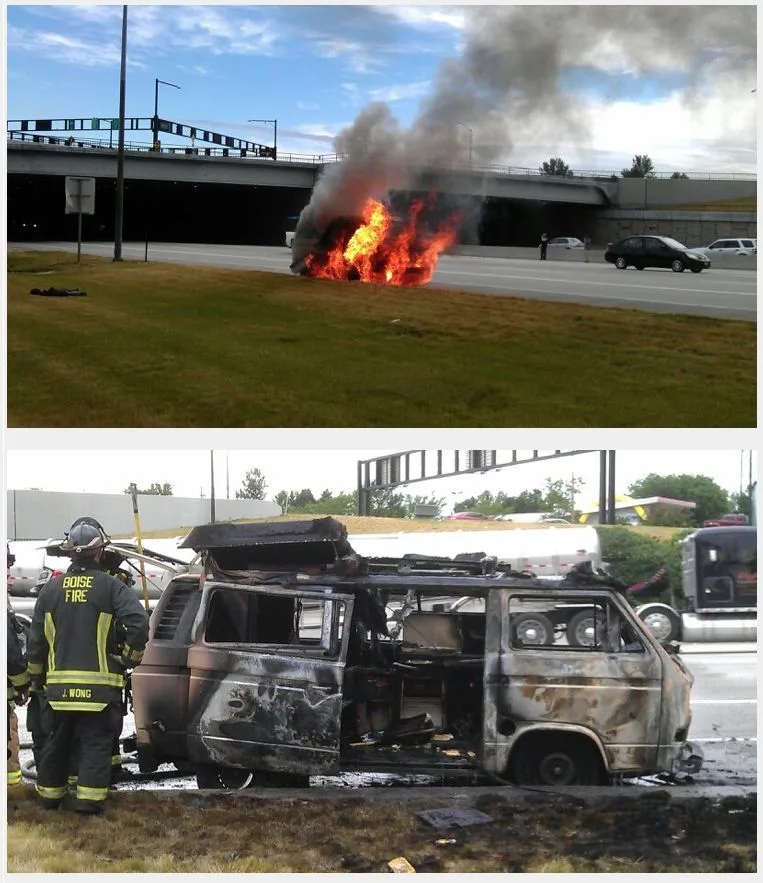
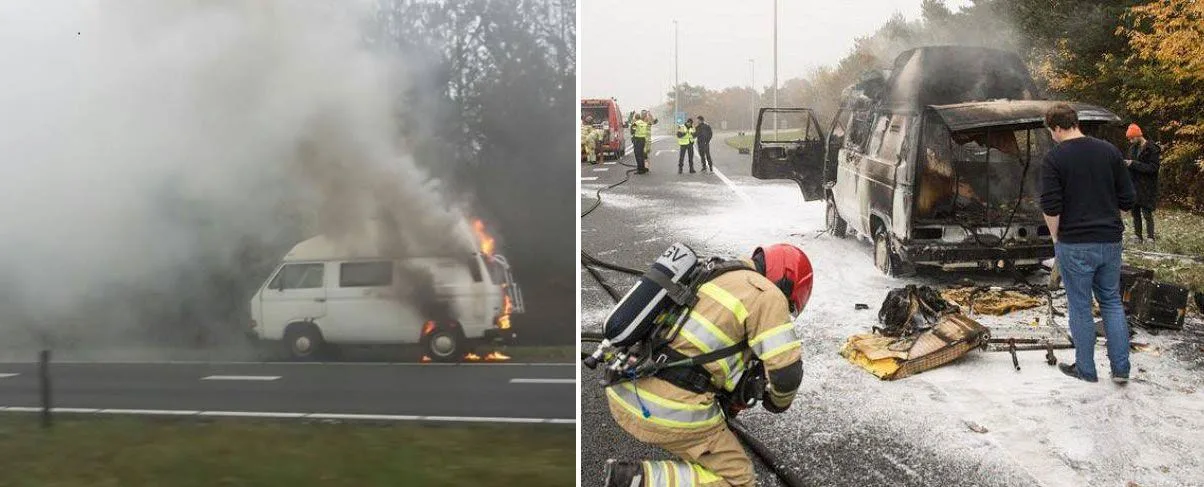
Even if they look fine and there are no leaks anywhere, replace them. You don’t know how long they’ve been fitted, you can’t be 100 per cent sure of their condition, and you don’t know if they’re the right ones for your van (see point 2 of the reasons I set out below).
Reasons to replace the fuel line
There are several reasons; let’s list them:
- If they’ve been fitted for a long time, they’re most likely starting to crack.
- The EU has made it compulsory to include certain amounts of ethanol in petrol. So if your fuel line is around 10 years old, it’s highly likely that it isn’t designed to withstand the effects of ethanol and will start to leak.
- Petrol flows under pressure through much of the fuel line, so if it is not in optimal condition, that pressure will cause it to crack.
Incidentally, in these vehicles, the fuel return system to the tank is located just above the engine. If the pipes are cracked, drops of fuel may fall onto the engine block or, even worse, into the exhaust manifolds. This could cause a deflagration.
So it’s better to be safe than sorry – which means replacing the fuel line.
What’s the diameter of the hose?
I don’t know about other Syncros, but in mine, which has a 2.1 DJ engine, the hose diameter is 7.5 mm, and I bought 4 metres, which has been enough.
I also bought a new fuel filter, as who knows when it was last changed. I’ll take the opportunity to fit the new one. I’m sure it’ll do the engine a world of good.
Precautions
In any case, even if you replace the fuel line, it’s worth installing one of these options:
1- Fire extinguisher
I consider this essential, and not just for potential engine fires. I think it should be compulsory to carry a fire extinguisher in any motor vehicle. You never know what might happen, and although its extinguishing capacity is limited, it could save you from some rather unpleasant situations.
2- Blazecut
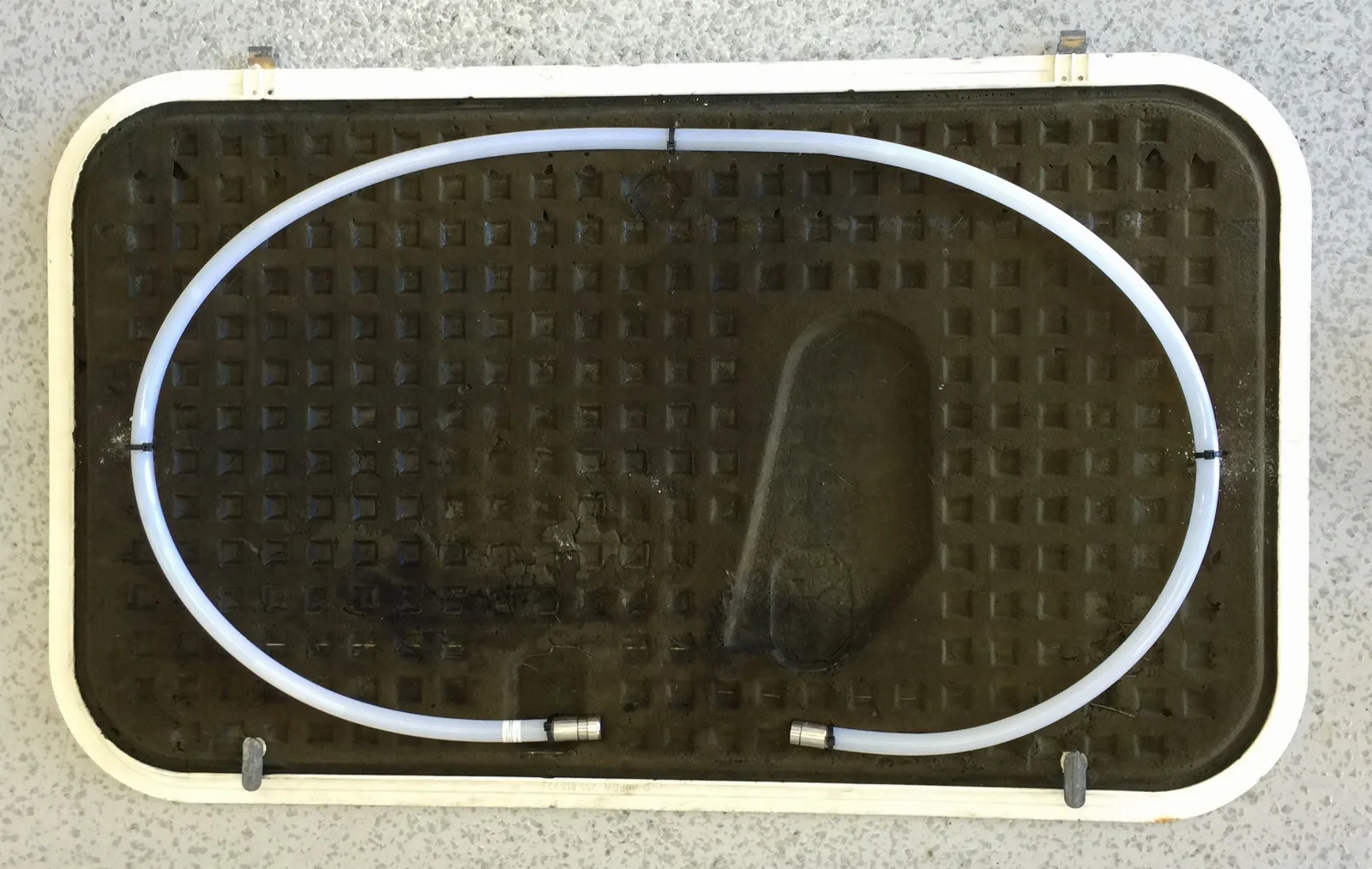
Blazecut is an automatic system for extinguishing fires that break out in the vehicle. It consists of a tube filled with pressurised liquid which, as soon as a fire starts, melts and releases the liquid to put out the fire.
What about you – do you carry any other fire-extinguishing systems?