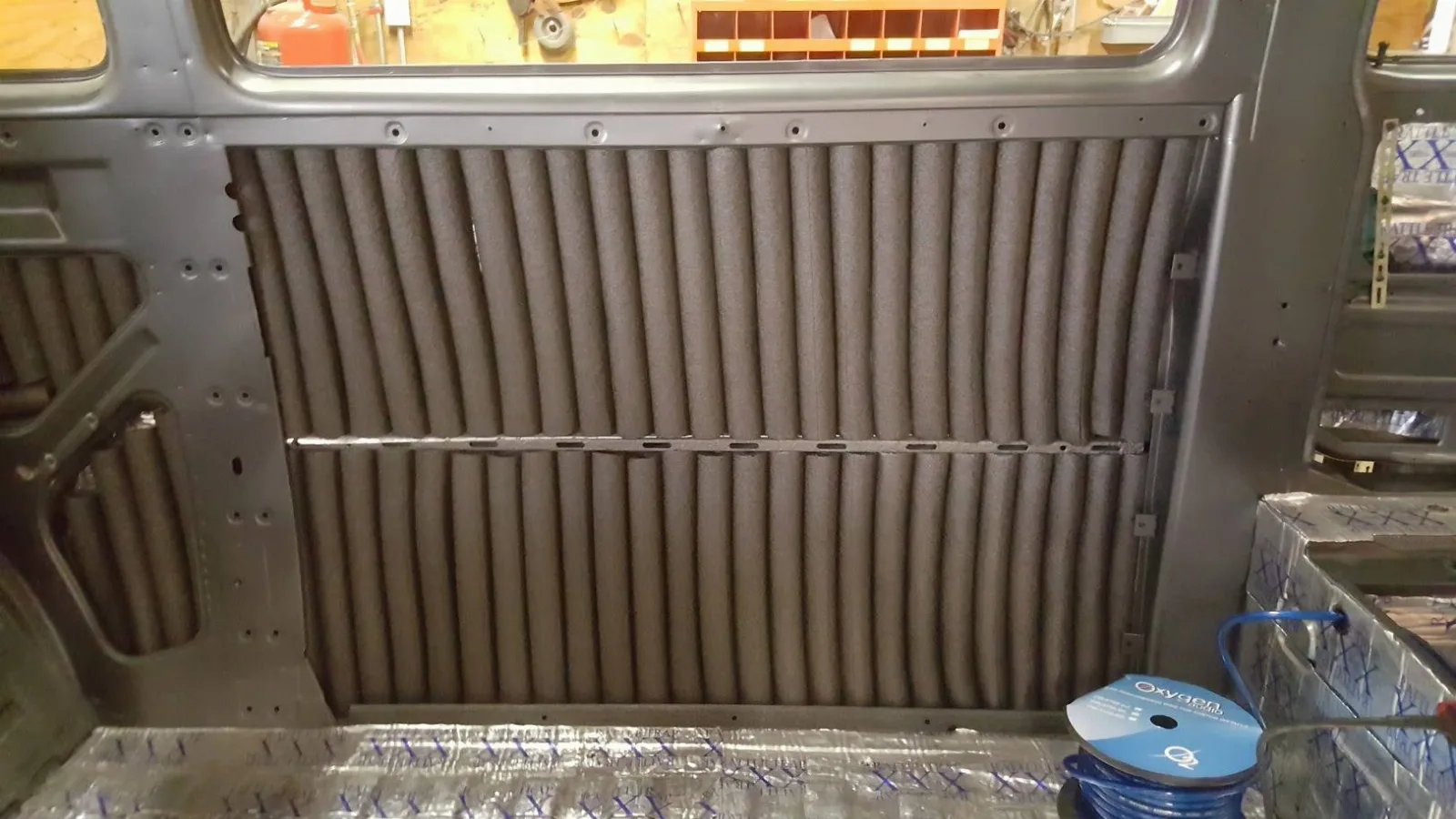
Kaiflex to insulate the van against the cold and the heat
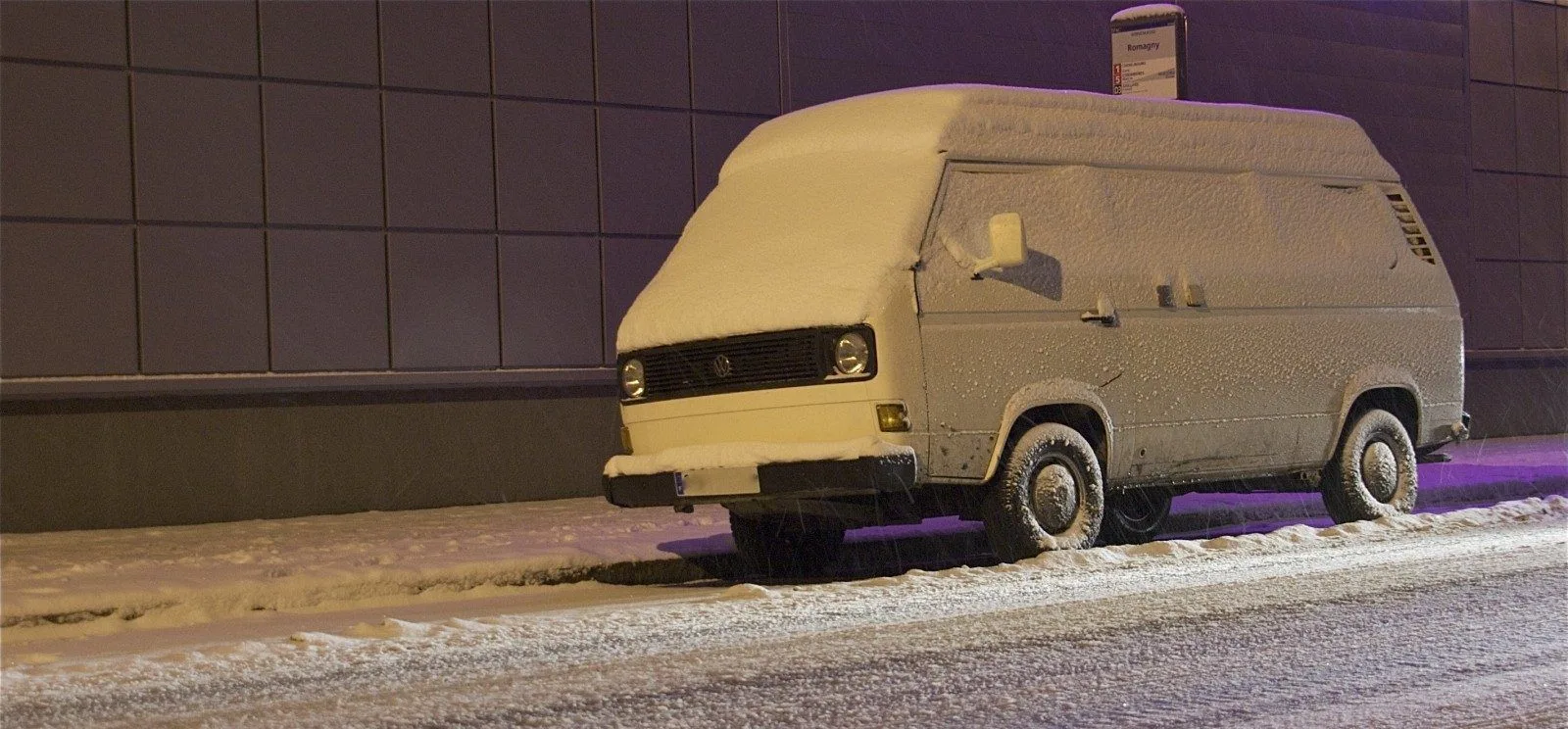
19 de febrero de 2024
Insulating your van against the cold and heat is highly recommended if you’re going to be sleeping in it regularly.
When converting a van into a campervan, this step is essential as it brings two key benefits:
1- You’ll gain in comfort. It’ll be less cold inside in winter and less hot in summer, making it a much more pleasant place to be.
2- You’ll save on fuel. If it’s cold inside and you install a static heater or air conditioning, you’ll need to leave it switched on for longer to heat or cool the cabin. You’ll also be helping the environment as you’ll emit less CO2.
First step: insulating the windows
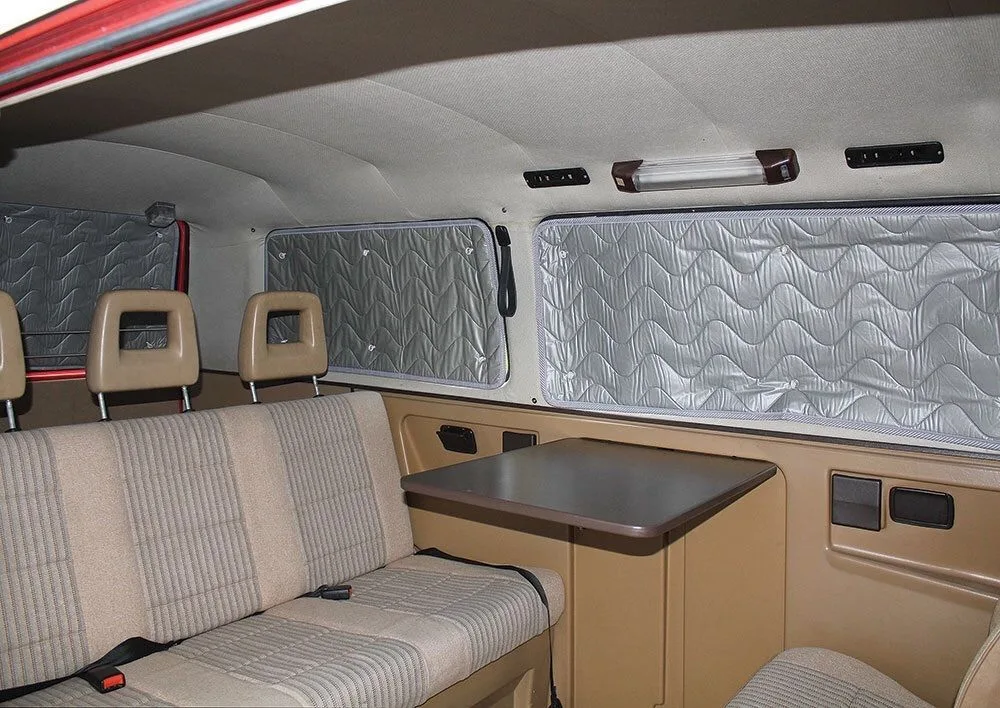
There’s a very important preliminary step that we can’t skip. Before looking at what materials are available and which ones to buy, we need to focus on where most of the cold or heat will enter: the windows. Therefore, there’s no point in insulating every last millimetre of the van’s bodywork if we don’t buy thermal insulation for the windows. Don’t skip this step, as it’s an absolute priority.
What material should we use to insulate the van?
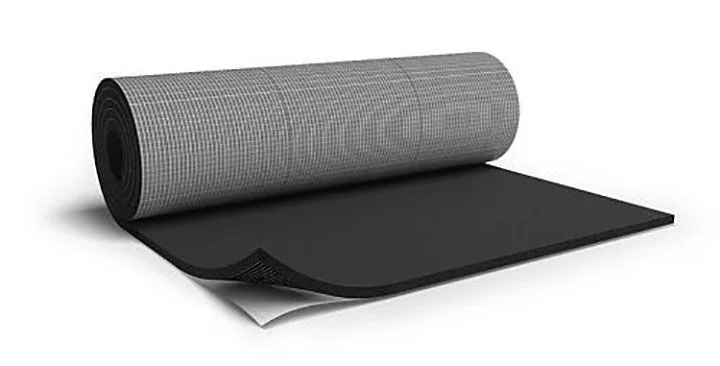
After reading various threads on the forums, I came to the conclusion that the best option for insulating the van was elastomeric foam thermal insulation made from flexible synthetic rubber, better known as Armaflex or Kaiflex (these are brand names for this type of material). This is sold in different thicknesses (10, 20, 25 mm…) and, depending on the size of your van, you’ll need more or fewer metres. It’s also available with an adhesive backing (recommended) or without adhesive (in which case you’ll need to stick the panels down using contact adhesive).
Here are a couple of videos from Uro-Camper demonstrating the insulating properties of this material:
It is therefore a material with excellent insulating properties for your van, easy to install (especially the self-adhesive version), flexible and malleable, vapour-proof, seamless, non-combustible when exposed to a heat source, and offers soundproofing properties.
Applying Kaiflex or Armaflex
Most people who fit this material to insulate their van opt for the 10 mm thick version. I think the best option is to buy the 10 mm version and lay a double layer wherever space allows. It’s very easy to fit; it’s recommended that you first clean the surface with acetone to ensure the sheet adheres properly, then stick down the centre of the sheet and work your way out towards the edges.
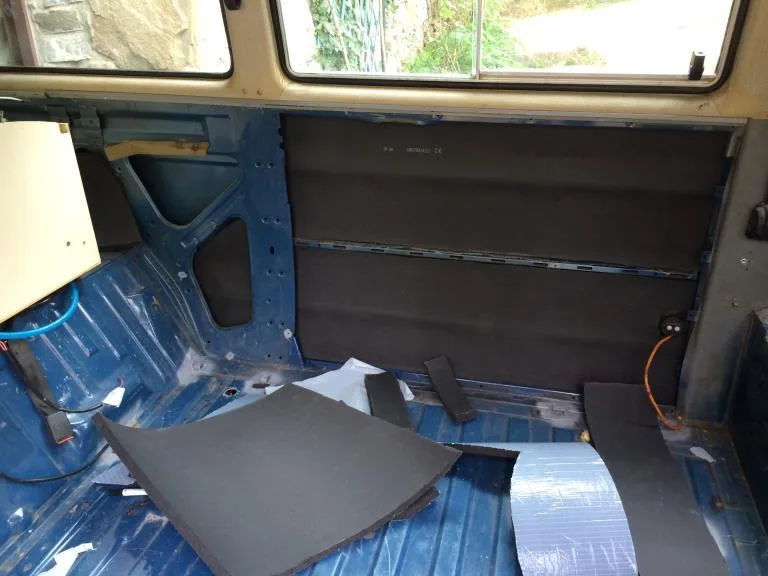
We’ll fit the material to the floor, side panels and ceiling. It’s highly recommended to buy the type that comes with a pre-applied adhesive layer.
Best deals on Kaiflex or Armaflex insulation
Other insulation materials
There are other insulation materials available, such as reflective multi-layer insulation, extruded polystyrene, cork, cardboard, glass wool and rock wool…
Insulating the van with rock wool / glass wool
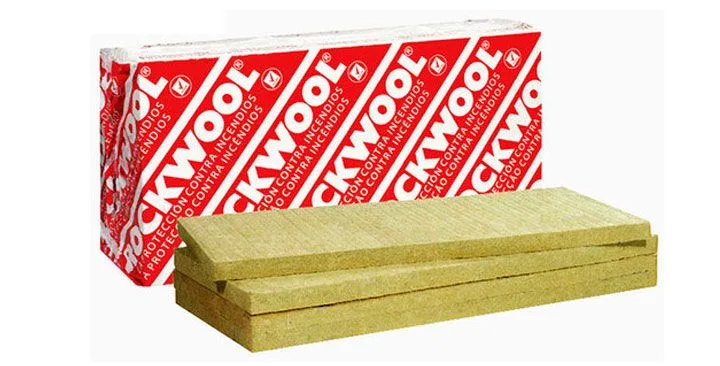
From what I’ve read, glass wool and rock wool are generally not recommended for insulating a van for several reasons: firstly, because they are materials that absorb moisture and can therefore cause the metal panels to rust; and secondly, because they release fibres into the air that are carcinogenic and can cause fibrosis, as well as the itching sensation these fibres cause on contact with the skin. One way to address this is to encase the insulation in bags to prevent the fibres from becoming airborne.
Insulating the van with reflective insulation
Multi-layer reflective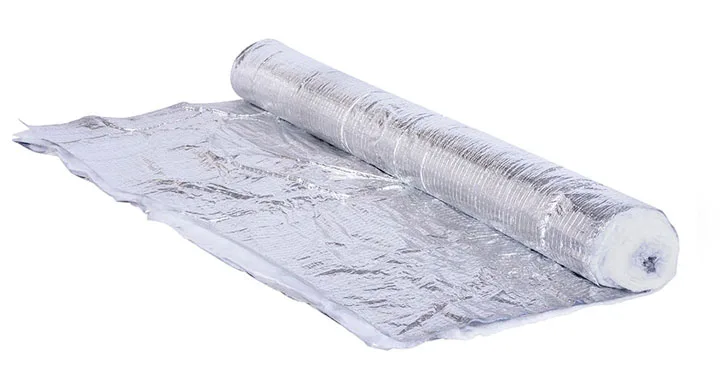
insulation only works when there is an air gap; therefore, if it is stuck directly to the metal panel, there is no air gap and it is completely ineffective.
Insulating the van with cork
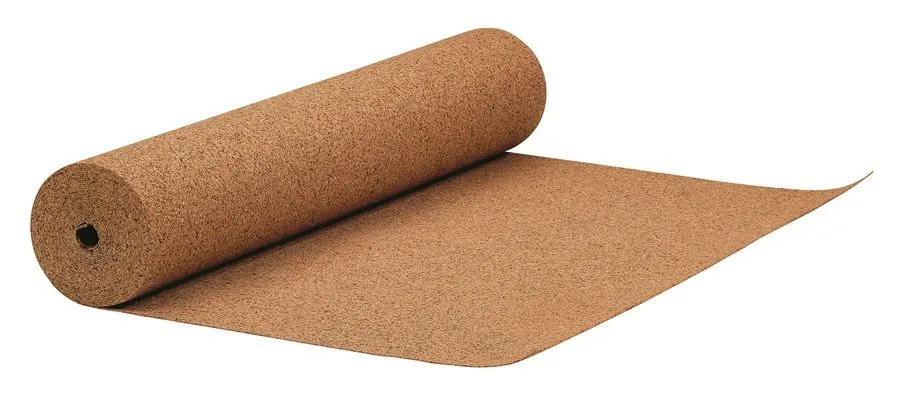
Cork is a 100% natural material obtained by harvesting the bark of the cork oak. It is an excellent insulator, both acoustically and thermally. It comes in sheets and is ideal for floors due to its mechanical strength: it does not warp easily, withstands compression very well, and does not expand… Moisture-resistant and very lightweight, it is a highly recommended insulation material that stands the test of time very well.
The usual approach is to lay a layer of cork on the van floor after sticking down the Kaiflex.
Conclusion
There are differing opinions here on which materials are better or worse, and we could get into a never-ending debate.
From my research, my conclusion is clear: first, tackle the most vulnerable area – the windows – by fitting thermal insulation; and second, I’ll opt for flexible synthetic rubber-based elastomeric foam (Kaiflex, Armaflex) for the roof, floor and sides. I’ll probably combine this with cork sheets on the van floor for better thermal and acoustic insulation.
By the way, I think I’ll finish off by buying some pipe insulation sleeves. I quite like this finishing touch.